
GFPGAN: AI-Powered Face Restoration and Image Enhancemen
Try GFPGAN for free—an AI face restoration model that enhances image quality, restores old photos, and improves low-resolution images with precision. 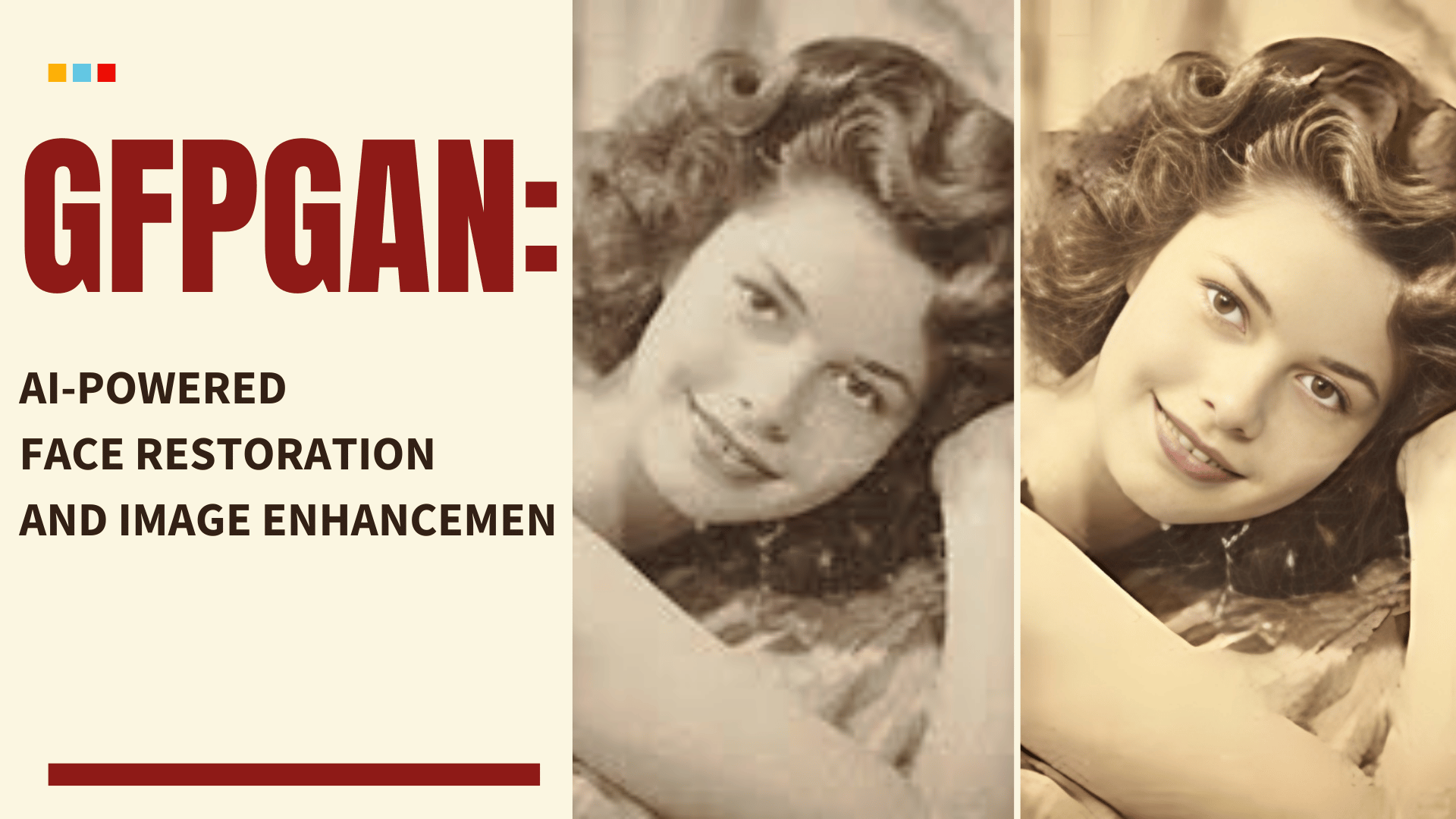 When dealing with low-quality, blurry, or old images, it’s frustrating to see the lack of precision and efficiency in many restoration tools. Whether it’s fixing cherished family photos or enhancing digital avatars, the challenge of improving image quality is something every developer faces. Enter GFPGAN (Generative Facial Prior Generative Adversarial Network) – an advanced deep learning model designed specifically for face restoration. With its cutting-edge restoration capabilities and GAN technology, GFPGAN has set a new standard in delivering impressive results for image enhancement.
Now, let’s dive deeper into the core principles, advantages, and practical applications of GFPGAN, and explore how you can seamlessly integrate this functionality using VModel API.
What is GFPGAN?
GFPGAN, developed by Tencent’s ARC team, is a face restoration model based on Generative Adversarial Networks (GAN). Traditional face restoration methods often face challenges when restoring low-quality or old images, especially in terms of detail recovery. GFPGAN was designed to overcome these limitations. 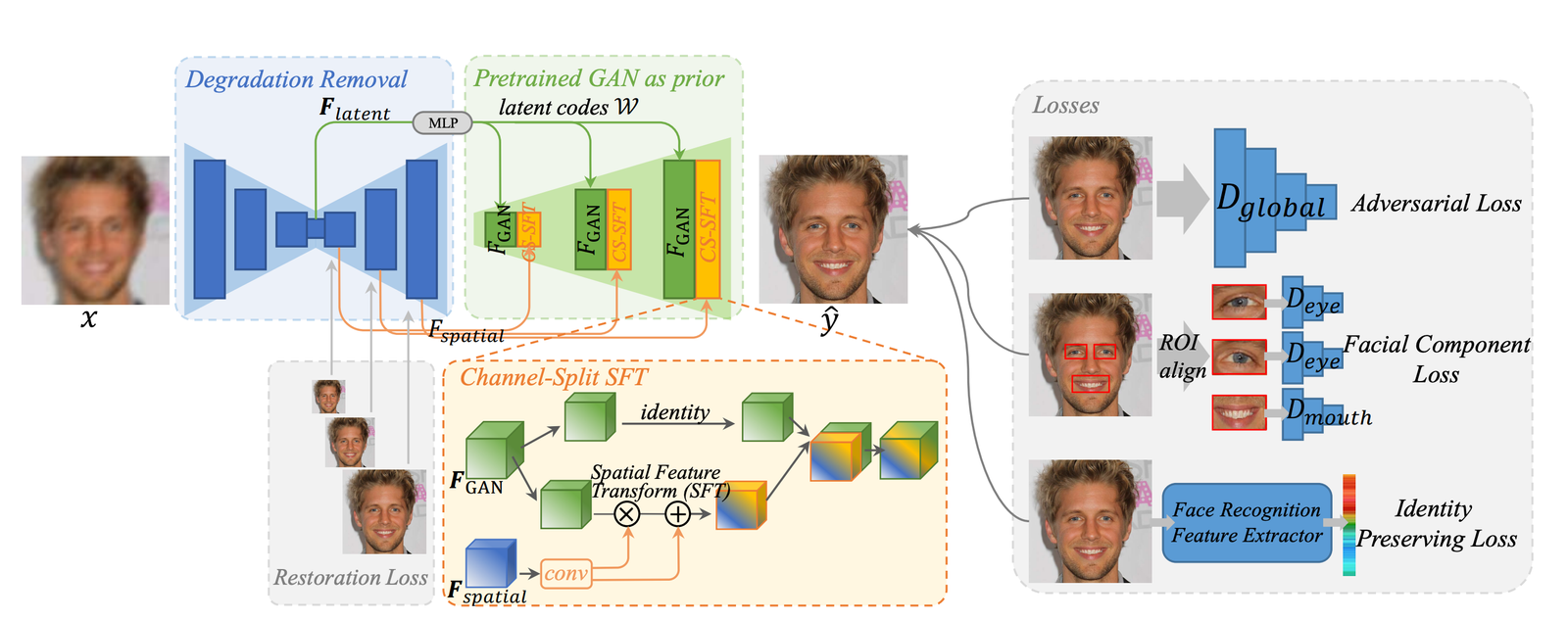 https-//arxiv.org/pdf/2101.04061
Background and Core Idea of GFPGAN
One of the key innovations of GFPGAN is the introduction of “facial priors.” By combining Generative Adversarial Networks (GAN) with facial prior knowledge, GFPGAN can more accurately restore facial details, especially in critical areas such as the eyes, nose, and mouth. This prior-knowledge-based restoration method results in a more natural and realistic restoration.
The restoration process of GFPGAN does not rely on specific image degradation types. Whether the image is blurry, noisy, or low-resolution, GFPGAN can restore it directly without relying on predefined degradation models.
The Technical Principles of GFPGAN
The core idea behind GFPGAN is to use Generative Adversarial Networks (GAN) to learn the process of face image restoration. GAN consists of two components: the generator and the discriminator. The generator’s task is to generate the restored image, while the discriminator is responsible for judging whether the generated image is realistic.
By incorporating facial prior information into the network, GFPGAN generates restored images with human-like facial features. Specifically, GFPGAN first extracts the facial features of the image using a pre-trained convolutional neural network (CNN), then uses the GAN to restore the details of the face. During training, the discriminator continuously evaluates the generated images, helping the generator improve the restoration process, ultimately improving the quality of the restored images.
Advantages of GFPGAN
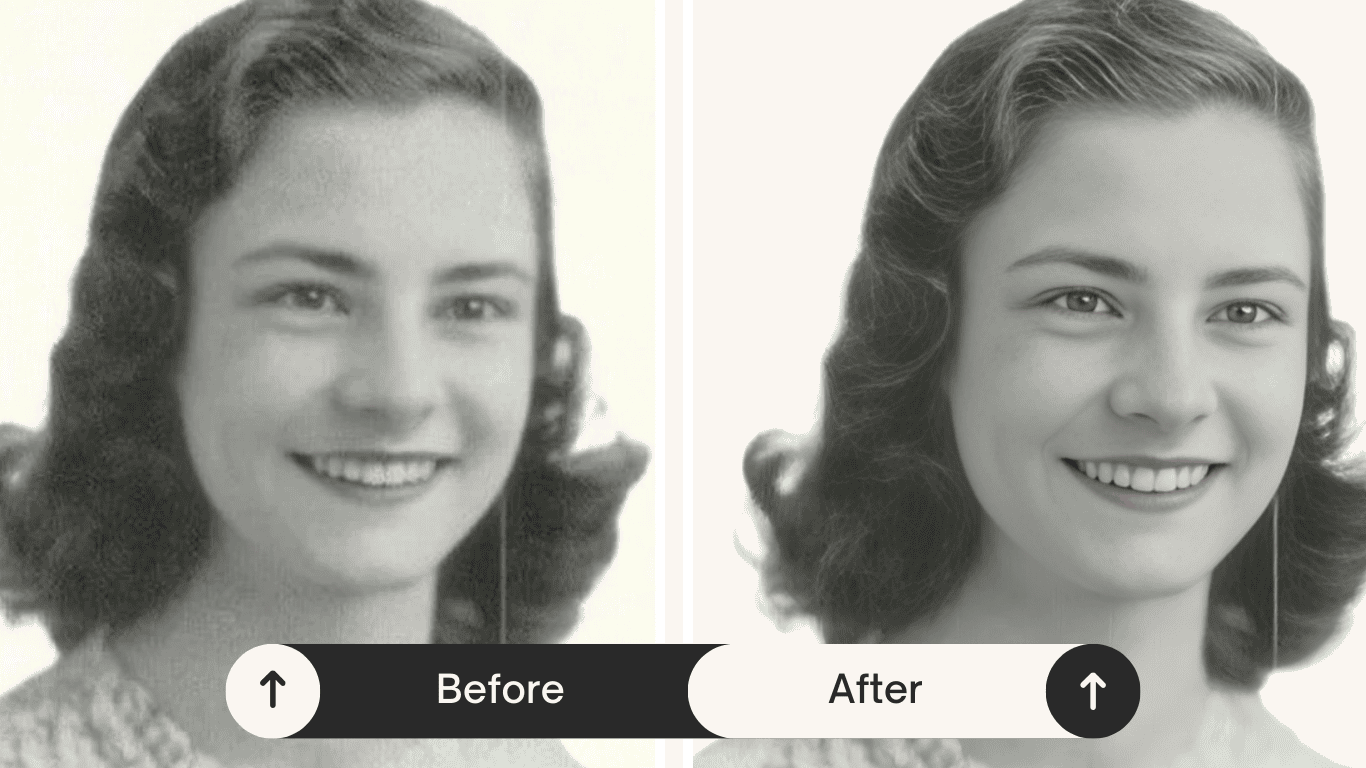 GFPGAN has achieved remarkable success in the field of face restoration, with several advantages:
- High-Quality Face Restoration
GFPGAN can effectively restore facial details in low-quality images, especially in key areas such as the eyes, mouth, and nose. Compared to traditional restoration methods, GFPGAN can better restore the natural texture of the face, making the restored image more realistic and natural.
- No Need to Understand Degradation Types
Traditional face restoration methods often rely on image degradation models, requiring preprocessing before restoration. GFPGAN’s “blind restoration” capability means it doesn’t need to know the degradation type of the image. Whether the image has noise, blur, or low resolution, GFPGAN can effectively restore it using its own learning capabilities.
- Maintaining Identity Consistency
GFPGAN ensures that the identity of the person is maintained during the restoration process. This means that the restored image will closely resemble the original person. By combining facial priors, GFPGAN can preserve the person's basic facial features, ensuring that the restored image closely matches the original, avoiding over-editing or distortion.
- High-Resolution Output
GFPGAN supports high-resolution image restoration, which is ideal for scenarios requiring high-definition output, such as printing and advertising. By providing high-resolution restored images, GFPGAN can meet the needs of more professional applications and improve the visual quality of images.
Applications of GFPGAN
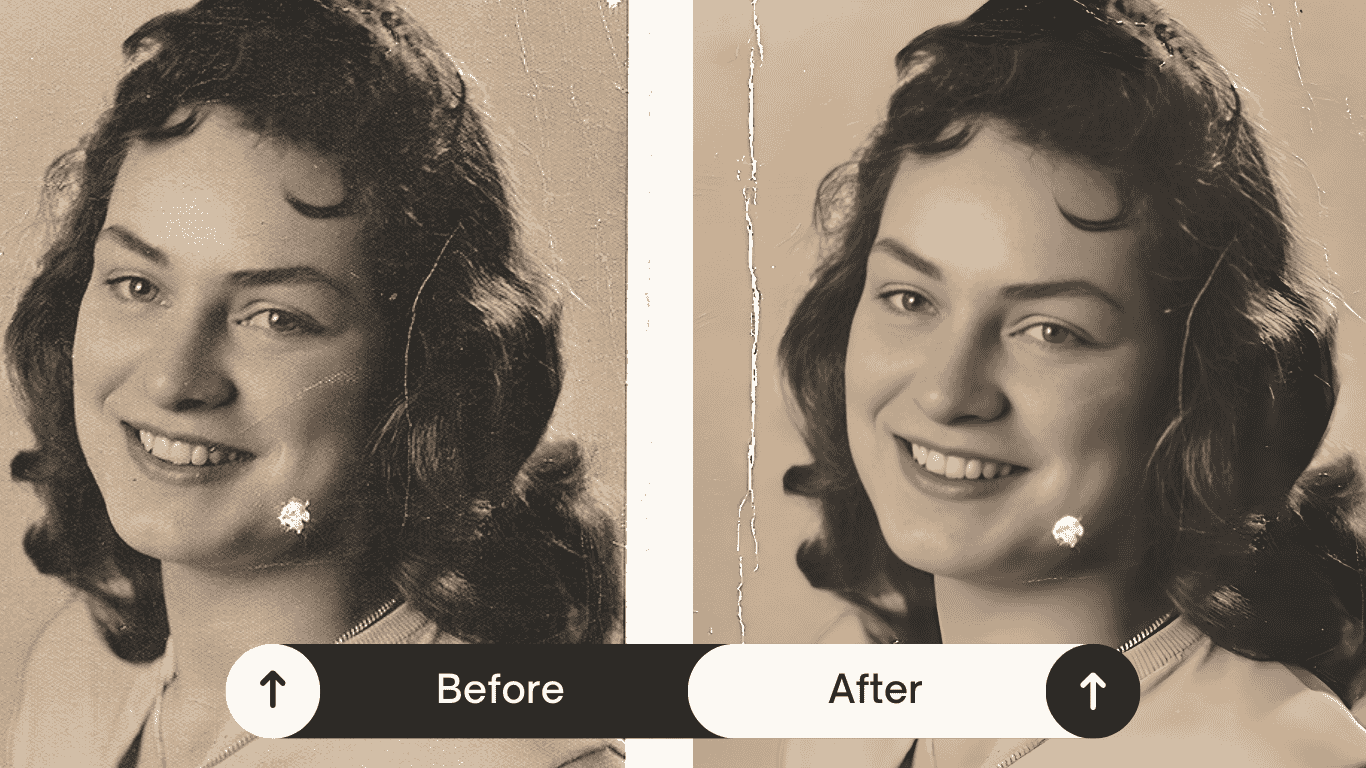 GFPGAN is widely applied in various fields, especially in face restoration and image enhancement. Here are some typical use cases:
- Restoring Old Photos
For many families and historical archives, old photos are invaluable cultural assets. However, over time, these photos may suffer from fading, damage, or blurriness. GFPGAN can effectively restore these old photos, recovering clear facial details, allowing people to see faces from the past.
- Enhancing AI-Generated Avatars
With the development of AI technology, many platforms now provide AI-generated avatars. However, these avatars often suffer from detail issues, such as unnatural eyes or mouths. GFPGAN can restore these details, improving the realism of avatars and making them more in line with human visual perception.
- Image Super-Resolution and Detail Enhancement
In addition to face restoration, GFPGAN can also be used for overall image detail enhancement. For low-resolution images, GFPGAN can restore faces and other details, improving the image’s clarity and resolution, making it more suitable for display and printing.
Integrating GFPGAN via VModel API
If you want to integrate GFPGAN into your project, VModel provides a simple API that makes image restoration effortless. You can easily upload an image via the VModel API, and GFPGAN will automatically restore it, returning the enhanced result.
The API offers different versions (v1.2, v1.3, v1.4), allowing you to choose the one that best suits your needs. Additionally, you can adjust the scale to control the level of enlargement. Here’s an example of how to call the GFPGAN API:
curl -X POST https://api.vmodel.ai/api/tasks/v1/create
    -H "Authorization: Bearer $VModel_API_TOKEN"
    -H "Content-Type: application/json"
    -d '{
    "version": "6129309904ce4debfde78de5c209bce0022af40e197e132f08be8ccce3050393",
    "input": {
        "img": "https://data.vmodel.ai/data/model-example/vmodel/gfpgan/image_upscaler.jpg",
        "version": "v1.4",
        "scale": 4,
        "disable_safety_checker": false
    }
}'
Conclusion
With VModel API, developers can seamlessly integrate GFPGAN's powerful face restoration capabilities into their applications. Whether you're enhancing user-generated content on a social media platform, offering high-quality image restoration tools, or improving product images on an e-commerce site, GFPGAN provides the perfect solution.